Engineering Technical Guide: Troubleshooting and Mitigation for Solid Aluminum Cladding Installation and Joint Deflection
Published on September 15, 2026 · 2 min read
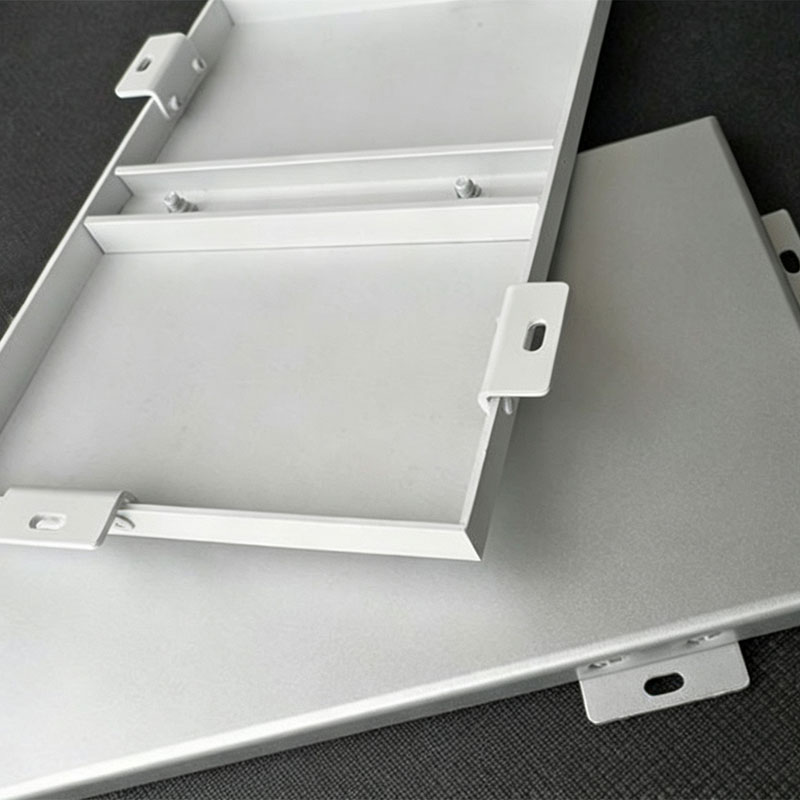
ENGINEERING WHITEPAPER — In large-scale curtain wall construction, solid aluminum panels are celebrated for their light weight, formability, and durability. However, improper site installation frequently leads to unsightly oil-canning, thermal buckling, and compromised water seals. This technical guide outlines field-proven solutions developed by ALUVIONA facade engineers.
Root Causes of Panel Distortion and Oil-Canning
The thermal expansion coefficient of aluminum is approximately 2.3 × 10⁻⁵ /°C. A 3-meter panel experiences over 3.5 mm of dimensional change between winter freezing and direct summer sun exposure. When fasteners are overtightened without slotted thermal holes, internal thermal stress creates visible center buckling.
ALUVIONA specifies floating slotted bracket attachments with EPDM isolating washers, allowing frictionless thermal movement while restraining positive and negative wind suction.
Sub-Frame Flatness and Stiffener Bonding Standards
Adhering to these standardized practices ensures that solid aluminum facades achieve the mirror-flat aesthetic intended by architects while guaranteeing structural longevity across decades of seasonal cycling.
Key installation protocols to guarantee flawless facade delivery:
- Ensure steel sub-frame alignment tolerance stays within ±2 mm over a 3-meter straightedge before panel hanging.
- Utilize structural silicone or high-tensile structural double-sided tape for stiffener-to-panel bonding to avoid weld spot shadow on the front face.
- Maintain minimum 15mm open-joint rainscreen cavities with pressure-equalized rear ventilation.